Lamplight and Iron Shutters: Inside the Private After-Dark Revival of Souq al-Hamidiyah
Photo: Lvklock, CC BY-SA 3.0, via Wikimedia Commons
There is a moment, somewhere between the last call to prayer and the switching-off of the streetlamps along Souq al-Hamidiyah, when the oldest working market on earth belongs to no one. The ten-ton bronze doors at the western end — Roman in origin, older than the concept of luxury travel itself — are drawn closed. The vendors have gone home to Mazzah and Muhajireen. And for a few select guests of the city's finest hotels, the corridor of stone and history opens once more, this time on invitation only.
This is the after-dark souq, and it may be the most exclusive shopping experience available anywhere in the Eastern Mediterranean.
A Market Built by Romans, Closed by Curfew
Souq al-Hamidiyah occupies what was once the Temple of Jupiter's forecourt, and the holes in its ancient roof — punctured, legend insists, by Mamluk cannonballs — still let shafts of moonlight fall across the flagstones. By day, the 600-meter arcade throngs with tens of thousands of shoppers. By night, it is a cathedral of shadows: spice sacks stacked like sculptural columns, brocade bolts gleaming faintly in their shopfronts, the scent of cardamom and aged oud hanging in the cool air.
For decades, accessing the souq after hours was simply impossible. The shutters came down and that was that. What has changed is the concierge culture at Damascus' luxury properties, where a small network of relationships — some spanning three generations — has quietly unlocked the market after dark.
The Concierge's Black Book
Consider the arrangement one longtime head concierge describes with characteristic understatement: a phone call to a spice merchant whose grandfather traded from the same stall under Ottoman rule, followed by a second call to the shopkeeper across the arcade who holds a spare key to the great western door. Forty minutes later, a guest stepping out of a hotel sedan finds the iron shutters rolling upward, one by one, like curtains before a private performance.
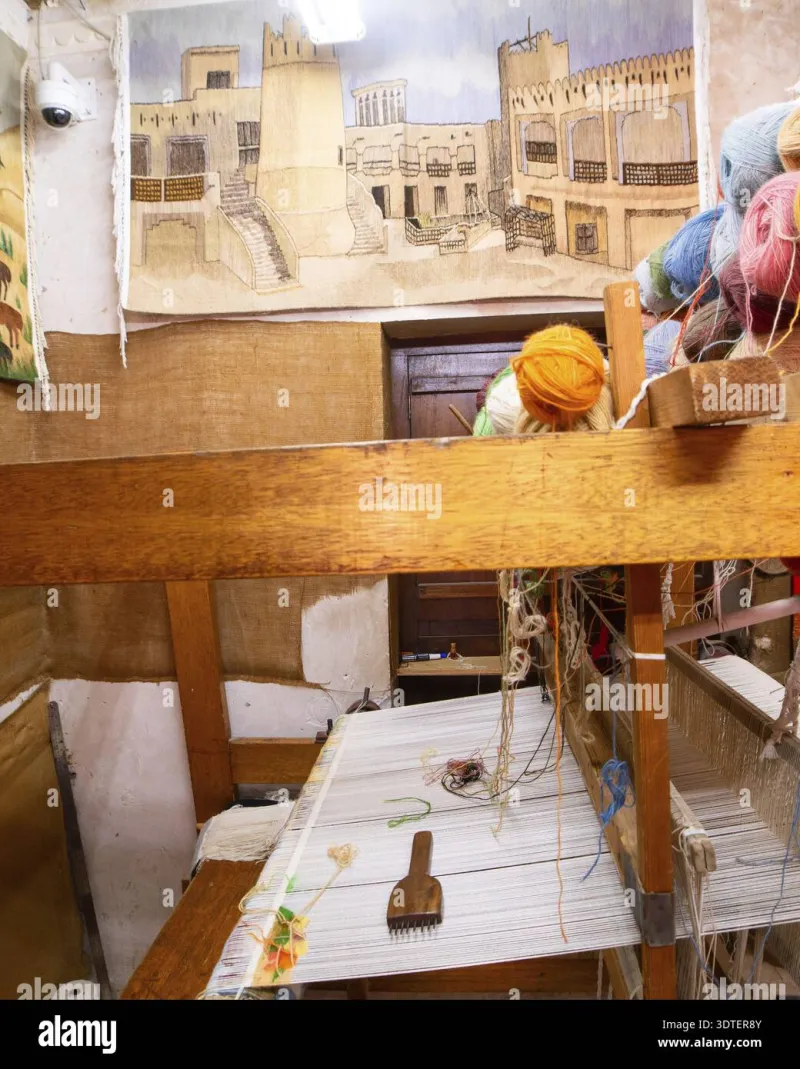
These are not commercial transactions in the usual sense. Merchants earn nothing extra by reopening at nine in the evening for a party of two Americans. They do it, the concierges say, out of pride — a desire to show their market, and their city, at its most intimate. Many will insist on brewing tea on a portable burner while explaining the difference between Aleppo pepper and its Damascene cousin, or unwrapping a bolt of silk brocade woven on a family loom that predates the automobile.
What the Night Market Reveals
Travelers who have experienced an after-hours souq tour describe it as a fundamentally different encounter than daytime shopping. Without crowds, the architecture reasserts itself — the ablaq stonework, the surviving Roman columns embedded in the walls, the acoustics of a space designed when sound meant footsteps and voices rather than commerce.
The merchants, too, behave differently. Freed from the rhythm of haggling, they become storytellers. A third-generation fabric dealer may demonstrate how Damask got its name, pulling threads of a pattern that European nobility once crossed continents to acquire. A spice trader will open drawers of saffron and sumac, explaining which grade he reserves for his own kitchen. Purchases happen, often lavishly — American guests are among the most generous buyers, concierges note — but commerce feels almost incidental to the privilege of presence.
How to Arrange After-Hours Access
For American travelers, the process begins at the hotel, not the market. These experiences cannot be booked online or arranged by independent guides; they exist solely through concierge relationships cultivated over years, sometimes decades.
The practical steps are straightforward:
- Request early. Merchants require a day or more of notice to reopen, and the keyholders to the souq's gates are not always immediately reachable.
- Travel in small numbers. These are intimate arrangements; parties larger than four strain both the logistics and the spirit of the evening.
- Expect hospitality, not a tour. There is no script. Guests who arrive curious rather than transactional are rewarded with the richest evenings.
- Bring cash in small denominations. While card arrangements can sometimes be made through the hotel, the merchants reopening their shutters at night are doing so informally.
Most luxury properties in Damascus, including the Grand Millennium, coordinate such evenings for guests staying three nights or longer, pairing the souq visit with a private dinner afterward in the Old City — a meal often prepared by the family of the very merchant met hours before.
A Once-Impossible Moment
There is a photograph that circulates among Damascus' hospitality veterans: a lone guest in a linen jacket, standing beneath the vaulted stone of an empty Hamidiyah, a single lantern on a spice counter throwing long shadows across two thousand years of continuous commerce. It captures something no daytime visit can — the sense of having been trusted with a city's private hour.
For American travelers who have walked the markets of Marrakech, Istanbul, and Fez, the after-dark souq offers something those destinations cannot: not a curated experience designed for visitors, but a genuine favor extended by a merchant class that remembers when Americans came often, and hopes they will come again. The shutters, for a lucky few, are rolling up.