Uncorking Antioch: How Damascus' Luxury Hotels Are Pouring History Into the Glass
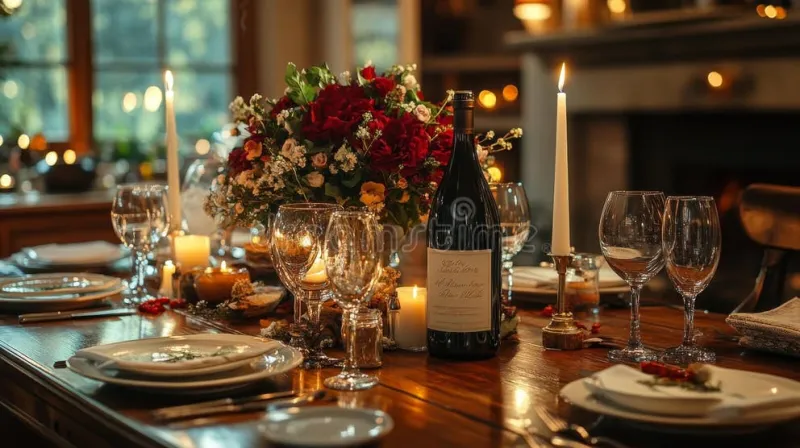
Photo: ancient clay wine cups luxury restaurant table candlelight, via thumbs.dreamstime.com
There is a moment, about halfway through the tasting menu at several of Damascus' most distinguished hotel restaurants, when the wine arrives in a shallow clay cup rather than a stem glass. Guests are invited to hold it, warm it slightly with their palms, and breathe it in before the first sip. What they are tasting is not merely a vintage but a hypothesis — a careful reconstruction of what wine might have tasted like along the caravan routes that converged on this city five thousand years ago.
For American travelers accustomed to the confident varietal labeling of California cellars or the appellation strictness of Bordeaux, Damascus' emerging wine-pairing dinners present something genuinely unfamiliar: a form of gastronomic archaeology, served course by course.
The Vine That Time Forgot
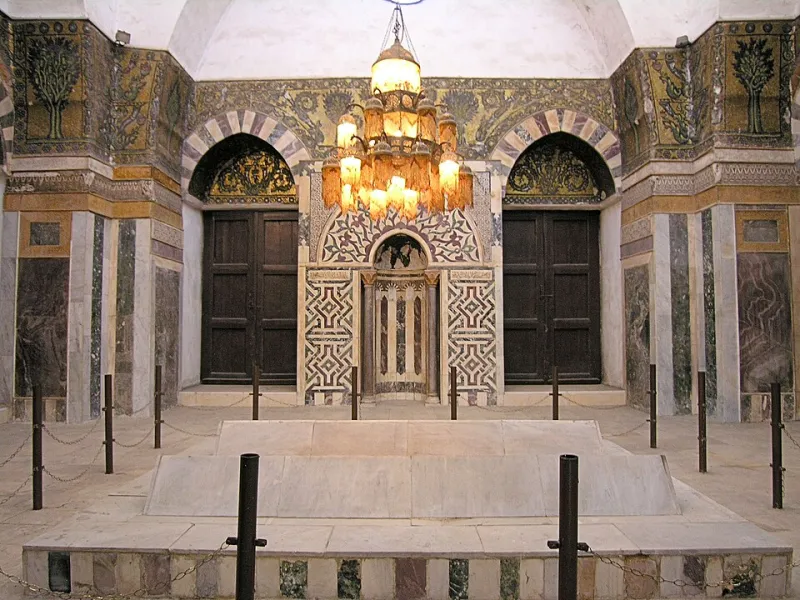
Long before Damascus became synonymous with the Islamic world's craft traditions, the fertile Ghouta oasis surrounding the city supported extensive viticulture. Vine motifs appear on Umayyad mosaics within walking distance of the Old City's walls, and amphorae recovered from regional sites point to a sophisticated trade in wine that predated the Roman Empire by a millennium.
The modern revival began, somewhat improbably, in hotel dining rooms. Executive chefs and beverage directors — several trained in European hospitality programs — found themselves asking a deceptively simple question: if we are serving dishes rooted in Bronze Age recipes, why are we pairing them with wines developed in the nineteenth century?
The answer required scholarship. Working alongside historians and archaeobotanists, hotel sommeliers have spent recent years tracing references to ancient grape varieties in cuneiform trade records, Byzantine agricultural texts, and local oral traditions. DNA analysis of heritage vines surviving in remote terraced plots has identified living relatives of varieties thought lost.
From Dig Site to Dining Room
The collaboration between academia and hospitality is more intimate than one might expect. At several properties, visiting archaeologists have been invited to consult on everything from serving vessels to fermentation techniques described in medieval manuscripts — including the practice of aging wine in buried amphorae, a method now being trialed in small experimental batches.
The results are served with appropriate theatricality. A recent pairing dinner in the capital opened with a chilled white made from a revived heritage grape, its flavor profile described by one sommelier as "somewhere between a Viognier and a Muscat, with a saline finish that suggests the soils of the Anti-Lebanon range." It accompanied a fish course prepared with garum-inspired seasonings documented in Apicius.
Later courses moved through red wines fermented with native yeasts, each pour accompanied by a card explaining the historical evidence behind it. For diners used to tasting menus in New York or Chicago, where the provenance of a dish rarely extends beyond the farm, the depth of documentation is striking. This is dinner theater in the most literal sense — the theater being five millennia long.
What American Visitors Should Know
Travelers from the United States planning a Damascus stay should understand a few practical realities of this experience.
Reservations matter. These pairing dinners are intimate affairs, often limited to a dozen covers per evening, and are typically arranged through hotel concierge desks well in advance of arrival.
Expect education with the pour. Unlike a Napa tasting room, the emphasis here is narrative. Sommeliers frequently present alongside printed historical materials, and questions are welcomed — indeed, encouraged.
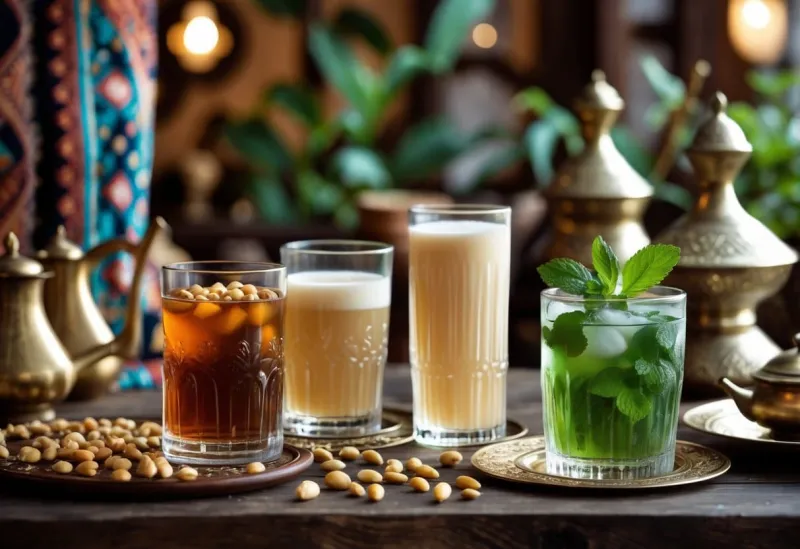
Non-alcoholic pairings exist. In keeping with local custom, several properties offer parallel menus built around revived ancient beverages — tamarind waters, spiced verjuice, and grape must reductions — that mirror the structure of the wine flight. Guests traveling with colleagues or family members who prefer to abstain will find the experience thoughtfully designed rather than merely accommodated.
Timing your visit. Autumn aligns with harvest season in the surrounding countryside, when some properties arrange day excursions to heritage vineyards where revival plantings are underway.
A New Chapter in an Old Story
What makes Damascus' wine revival compelling is its modesty. No one involved claims to have perfectly recreated an ancient vintage. The sommeliers speak in careful terms of "informed interpretation," and the archaeologists involved insist on caveats. Yet this very honesty — the admission that every glass is partly an educated guess — is what gives the experience its charm.
For the American luxury traveler who has collected tasting-room stamps across Sonoma, the Willamette Valley, and the Finger Lakes, Damascus offers something those destinations cannot: a wine culture being born in front of you, with one foot planted firmly in the Bronze Age. The clay cup may not be to everyone's taste. The story, however, is unforgettable.