Orchards at Dusk: The Vintage Rail Loop That Became Damascus' Most Coveted Ticket
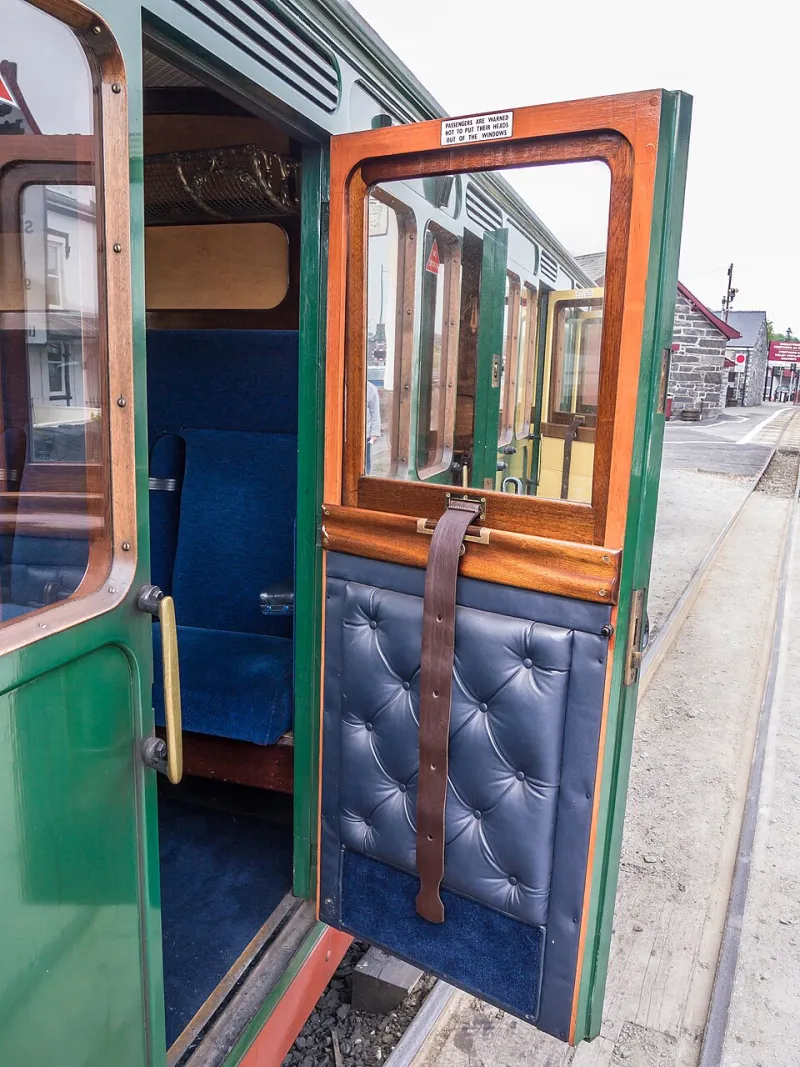
Photo: James Petts from London, England, CC BY-SA 2.0, via Wikimedia Commons
There is a particular kind of silence that settles over the Ghouta at dusk — the wide green ring of orchards that has fed Damascus since antiquity. For a few hours each evening this season, that silence is punctuated by something unexpected: the low, brass-toned hum of a restored 1950s passenger carriage rolling past walnut groves and irrigation channels older than the concept of a vacation.
The journey lasts barely three hours. It goes nowhere in particular, and that is precisely the point. Americans — a nationality raised on the compromised romance of Amtrak, where the dining car is a microwave and the window view is a freight yard — are booking this short nostalgic loop not as transportation but as the centerpiece of their stay. Demand, according to those who arrange the seats, now outstrips supply by a wide margin.
A Train Ride With No Destination
The concept is deceptively simple. A vintage carriage, restored over two years by a small team of local craftsmen, departs as the light begins to turn. The route loops through the orchard belt surrounding the city, tracing canals that have watered apricot and quince trees since the Umayyad era. There is no station at the end. The train simply returns, and guests step off where they began — changed, somehow, by three hours of doing absolutely nothing at forty kilometers an hour.
Inside, the experience is anything but modest. The carriage's mahogany paneling and brass fittings have been matched with five-star catering: mezze courses timed to the sunset, chilled local beverages poured from crystal, and service delivered by staff trained in the city's finest hotel kitchens. It is dinner theater without the theater — the landscape itself is the performance.
"Americans understand trains as a way to get somewhere," one veteran concierge told us, speaking on the condition of anonymity because the seat allocations are, frankly, a matter of discretion. "Here we sell them the opposite. You are not going anywhere. You are watching the oldest continuously farmed landscape on earth go by while someone refills your glass. That reframing takes about twenty minutes. Then they stop checking their watches."
The Concierge as Gatekeeper
The excursions run only a few evenings a week, and each departure holds fewer than forty passengers. This scarcity has produced a curious economy: the seats are not sold through any public booking engine. They are brokered — quietly, personally — through the concierge desks of the city's luxury hotels.
At the Grand Millennium Damascus, the arrangement is handled the way one might arrange a private audience. Guests mention an interest; the concierge makes a call; a name goes on a list that does not technically exist. Regulars in the know understand that requesting the excursion on the first evening of arrival is a strategic error — the better play is to establish yourself, let the concierge gauge your seriousness, and wait for the invitation.
The system is anachronistic by design. In an era when American travelers can book a helicopter tour in Napa from their phone, there is something deliberately old-world about a ticket that cannot be bought, only granted.
Why the Rooftop Ending Matters
The journey's final act is its most engineered. As the carriage rolls back toward the city, passengers are met at a private platform and escorted to a rooftop terrace overlooking the old city's minarets, now lit against the deepening blue. Dessert and coffee are served as the call to prayer rises from a dozen directions — a closing note that, according to nearly every American guest who describes the experience, produces an unexpected lump in the throat.
"It's the ending that sells the next booking," the concierge admitted. "The train is lovely. But the moment on the roof — that is what they call their friends about."
A Lesson in the Destination as Event
There is a broader trend at work here, one that American luxury travelers would do well to study. The most memorable experiences in Damascus this season are not transfers between attractions. They are self-contained events — a bathhouse at dawn, a rooftop at golden hour, a train to nowhere — each designed with a beginning, a climax, and a graceful conclusion.
For travelers accustomed to itineraries built around distance covered, the Ghouta loop offers a gentle correction: sometimes the finest three hours of a journey are the ones in which you go nowhere at all.
Guests of the Grand Millennium Damascus interested in the excursion are encouraged to speak with the concierge upon arrival. Patience, as ever, is part of the experience.