One Thousand Breaths: The Attar Masters Rewriting Damascus' Signature Scent
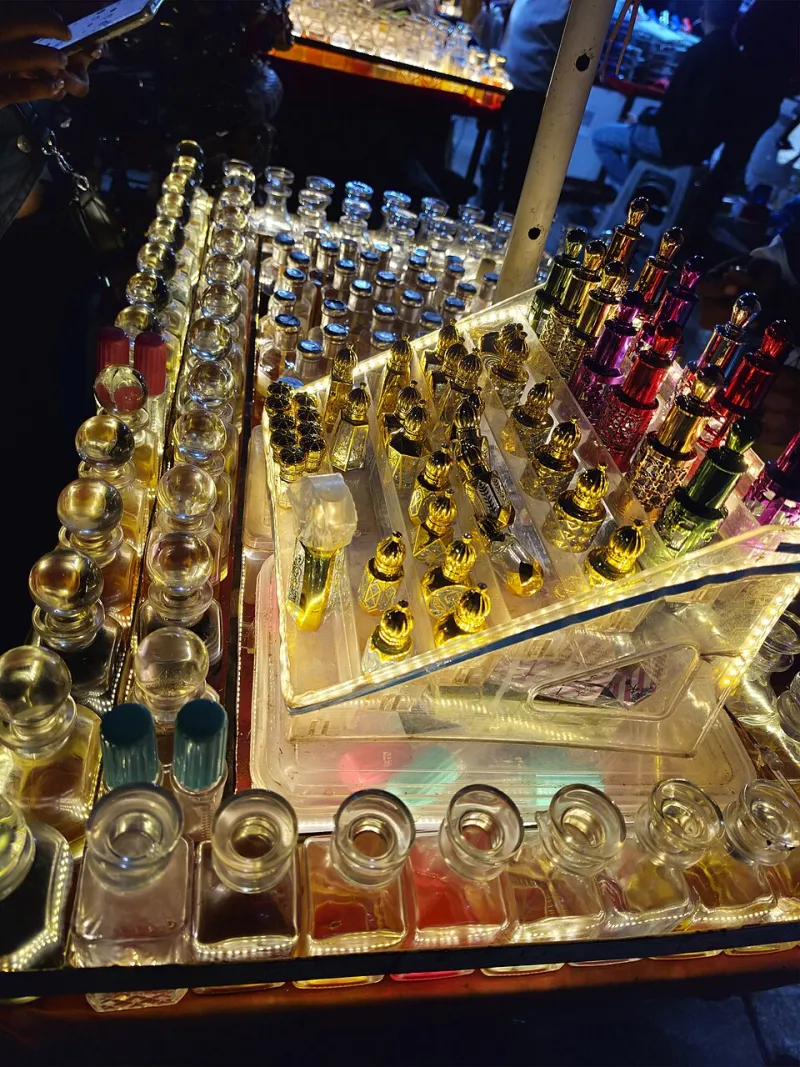
Photo: Dev Jadiya, CC BY-SA 4.0, via Wikimedia Commons
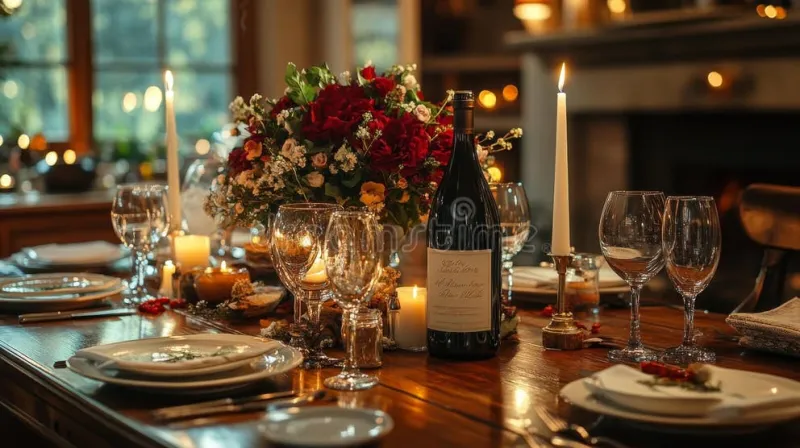
Step through the entrance of any of Damascus' leading five-star addresses this season, and before the concierge greets you, before the mint tea arrives, something else will have made the first introduction. It hangs in the cooled air above the marble: a signature fragrance—part damask rose, part smoked oud, part something the guest cannot quite name. It is not an accident. It is a commission, and it is quietly becoming the most coveted amenity in Syrian luxury hospitality.
The Oldest Rose in the Room
Damask rose oil has traveled farther than almost any luxury commodity on earth. Distilled in the rose fields around the city for well over a thousand years, it once moved westward along trade routes to perfume the courts of Europe. Now, in a reversal that surprises many American visitors, it is being kept closer to home—recruited by hoteliers who want their lobbies to smell not of an international brand standard, but of Damascus itself.
The men and women doing this work are not newcomers to fragrance. Several attar families operating out of small shops near the Al-Hamidiyah souq trace their trade back six, seven, even eight generations. Their shelves hold amber bottles labeled in faded ink: rose otto, bitter orange peel, jasmine absolute, aged oud. There are no cash registers in some of these shops. There are brass scales, glass stoppers, and an encyclopedic memory of what every returning customer prefers.
A Perfumer at Work
On a recent morning, we watched one such perfumer—third-generation, working from a shop no wider than an American walk-in closet—begin a hotel commission. The brief, delivered on a folded card from the property's general manager, was deceptively simple: the lobby should feel like evening in a Damascene courtyard. Warm, but not heavy. Familiar, but impossible to place.
He began with the rose. Damask petals, harvested at dawn and distilled within hours, carry a honeyed depth that synthetic imitations approach but never reach. Onto that base he layered bitter orange—the green-edged brightness that cuts through summer heat in the old city's orchards. Finally, a whisper of oud, resinous and dark, to anchor the composition the way a bass note anchors a chord.
He blended, rested the mixture for two weeks in a cool cabinet, adjusted, rested again. The hotel received its first delivery in crystal vessels. Guests began asking, within a month, whether the scent could be purchased. It could not—at first.
Why Scent Became the Calling Card
Luxury travelers from the United States have grown fluent in thread counts and tasting menus. Scent is the frontier they have not yet learned to evaluate, which makes it the most memorable. Neurologists have long noted that smell is wired more directly to memory than any other sense; hoteliers have simply caught on. A fragrance encountered in a lobby can be recalled, with startling fidelity, decades later.
In Damascus, the practice carries additional weight. Perfumery here is not a branding exercise imported from abroad—it is the city's own inheritance, reclaimed. When a guest walks into an atrium scented by an attar master whose family has served the souq for generations, the amenity and the destination become indistinguishable. That is the point.
Bringing the Tradition Home
For American travelers, the good news is that this is one luxury that travels. A growing number of the city's grand hotels now arrange private blending sessions with the attar families they commission, typically lasting an afternoon and concluding with a personalized flacon sealed in wax.
A few practical notes for the discerning visitor:
- Book ahead. Master perfumers work by appointment, and the most sought-after names keep limited daily sessions.
- Understand the base. Rose otto is precious; a single tola may require tens of thousands of petals. Pricing reflects this, and reputable shops will explain it gladly.
- Check customs rules. Pure essential oils should be carried in checked luggage in original sealed containers; your hotel concierge can advise on current regulations for US entry.
- Ask for the formula card. Most attar masters will record your blend by proportion, allowing it to be recreated or shipped in future years.
The Scent of Return
There is a saying among the souq's perfumers that a fragrance is a letter you send to your future self. For the American guest who unpacks a wax-sealed flacon of damask rose and bitter orange in a living room in Chicago or Boston, unscrewing the stopper releases more than scent. It releases the courtyard at dusk, the call to prayer softened by distance, the marble lobby where a stranger's craft became a permanent memory.
Damascus has always exported its roses. What is new is that now, it exports the experience of them—distilled, personalized, and sealed by hand.