Forty Miles an Hour Toward Nothing: Damascus' Sleeper Carriages and the Art of Arriving Late on Purpose
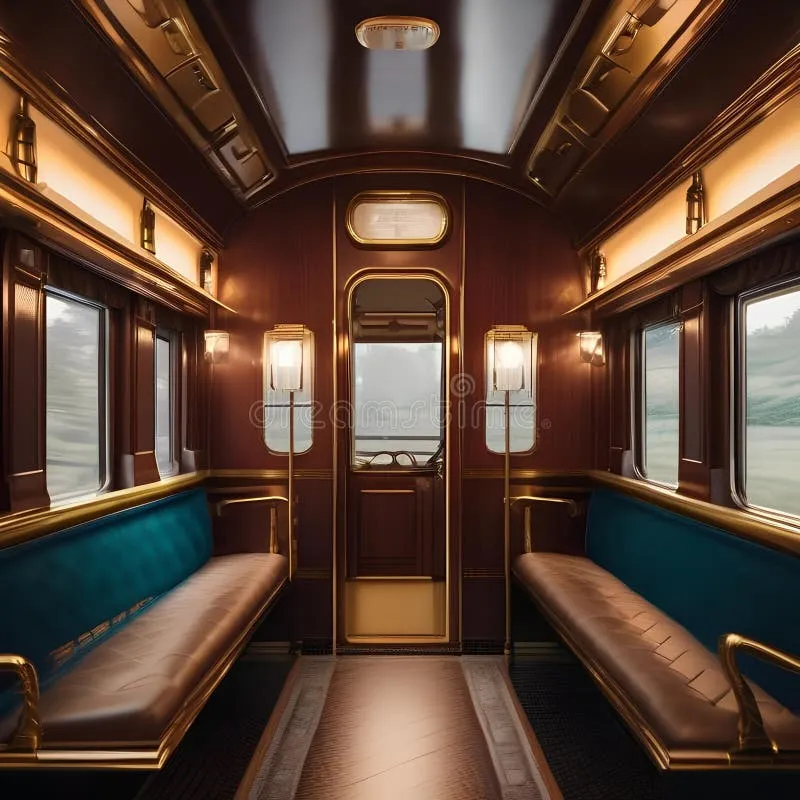
Photo: vintage luxury sleeper train carriage interior brass fittings night, via thumbs.dreamstime.com
There is a particular species of American traveler who has spent two decades optimizing every minute of a vacation. They have mastered the airport lounge power nap, the seven-country itinerary, the in-flight productivity ritual. Increasingly, these same travelers are landing in Damascus and paying handsomely to surrender all of it — to board a restored mid-century sleeper carriage that departs after dinner, rattles into the orchard country at a pace a bicycle courier could match, and delivers them back to their hotel in time for breakfast.
The journey has no destination worth naming. That, the hotels will tell you, is precisely the point.
The Slowest Ticket in Town
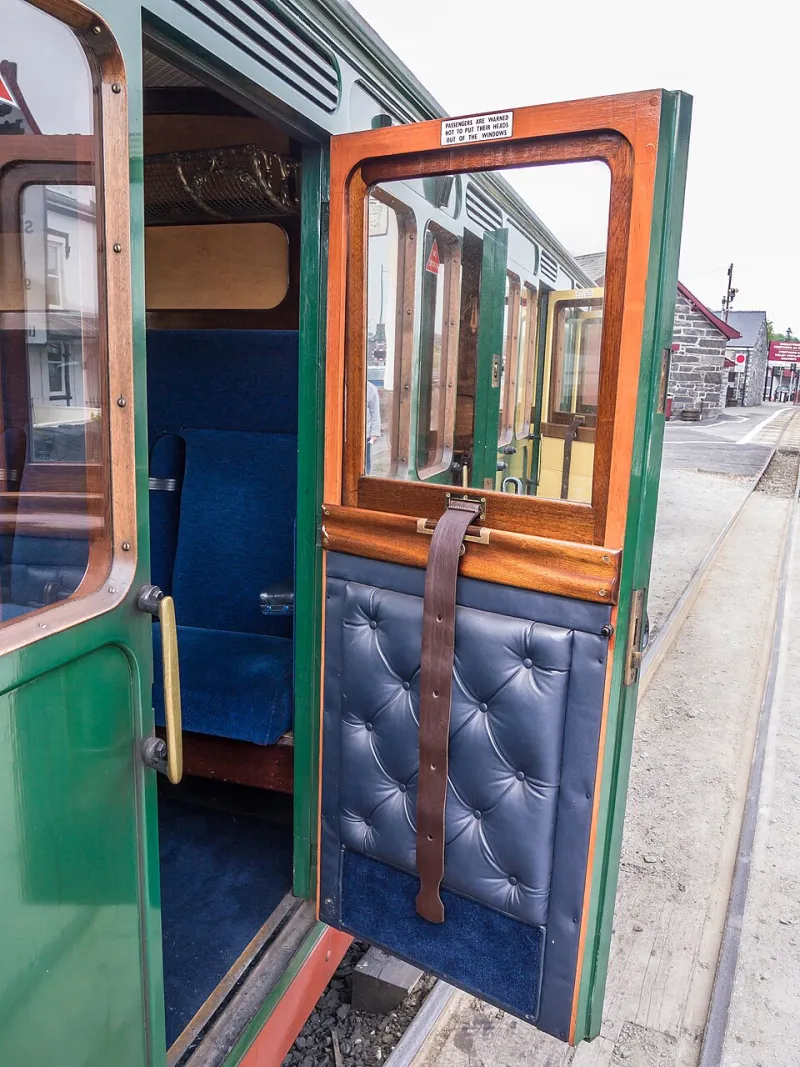
The phenomenon — staff at several of Damascus' five-star addresses refer to it, half-ironically, as the sleep train — began when hoteliers and a handful of railway enthusiasts joined forces to revive a small fleet of decommissioned sleeper carriages. These are not museum pieces behind velvet rope. They have been re-upholstered in damask and velvet, fitted with brass fittings polished to a soft gleam, and coupled to vintage locomotives that haul them on looping overnight circuits through the Ghouta's orchard belt and the gentle folds of countryside beyond.
Guests board in the evening, dine on a fixed menu served at a table bolted to a swaying floor, and retire to private compartments where the rhythm of the rails does the work no spa treatment quite can. The train returns by morning. Nobody visits anywhere.
For the hotels, the partnership is elegant: guests book the experience through their concierge, depart from a station a short drive from the old city, and return to the same suite they left. The circle, closed, feels less like a tour and more like a night's sleep — one conducted at forty miles an hour beneath a ceiling of desert stars.
Why Americans Are Buying It
Talk to the concierges and a pattern emerges. The travelers most enchanted by the sleep train are disproportionately American, and disproportionately exhausted. The United States has turned the red-eye into a national art form — the overnight flight as endurance sport, sleep compressed into a chemical half-doze between coach armrests. The sleep train inverts the proposition entirely. Here, the overnight journey is not the tax you pay before the vacation; it is the vacation.
There is also a cultural resonance that American guests seem to feel without always articulating. The sleeper car occupies a mythic place in the American imagination — the Pullman berth, the window seat in Some Like It Hot, the notion that travel once meant being carried gently through the dark rather than funneled through it. Damascus' restored carriages offer something no domestic heritage railway quite can: the same romance, layered onto a city where the very concept of ancient luxury runs several millennia deeper.
What Actually Happens on Board
The mechanics are simple and, by modern travel standards, almost radical. Phones are encouraged to stay in the compartment safe. Dinner unfolds over two unhurried hours — the current menus lean on slow-cooked lamb, freekeh, and the pickled accoutrements that have anchored Damascene tables for generations. Tea arrives in stages. The carriage steward, a role revived from railway archives, draws the blinds at an appointed hour and lowers a small brass lever that converts each seat into a berth with linen that would not embarrass a hotel suite.
Then, for six or seven hours, nothing. The train murmurs through orchard country. Passengers describe the night in terms that sound almost medicinal: the first genuinely dreamless sleep in months, the disorienting luxury of being unable to check the time, the strange morning clarity of waking in the same city one departed from.
The Broader Signal
It would be easy to file the sleep train under novelty. The more persuasive reading is that it belongs to a wider recalibration in what affluent travelers consider indulgent. For a decade, luxury travel chased access — the closed museum, the after-hours palace, the table no one else could book. The sleep train suggests the next frontier is exemption: the purchased right to be unreachable, unscheduled, and unproductive.
Damascus, with its layered history and its hospitality culture that has never confused service with speed, is unusually well suited to sell that exemption. The city has spent centuries perfecting the arts of the courtyard, the hammam, the long evening — places where time is meant to be squandered beautifully.
For the American visitor planning a Damascus stay, the advice from concierges is consistent: book the sleep train for the second night, not the first. Arrive, decompress, walk the old city. Then, when the body finally believes it is allowed to rest, let the rails do the rest. The train goes nowhere. That is the destination.