A City in the Headphones: The Archival Sound Libraries Now Checking In at Damascus' Grand Hotels

Photo: Basile Morin, CC BY-SA 4.0, via Wikimedia Commons
The End of Background Noise
For years, hotel sound was designed to disappear. A piano arrangement in the lobby, a generic playlist in the elevator, a bedside radio preset to something inoffensive. Damascus' grand hotels are now taking a different view. In 2026, several properties—including Grand Millennium Damascus—are treating in-room audio as part of hospitality rather than decoration. The result is a small but notable shift: suites that arrive with a listening menu, not just a television remote.
The change is partly practical. International guests expect local culture to be available on demand, but they also expect it to be edited. A traveler does not want a random assortment of tracks labeled traditional. They want context, sequencing, and a reason to listen. Damascus' hotel sound libraries are being built to answer that expectation.
An American Guest, One Evening
Consider an American traveler—call her a consultant from Chicago—who checks into a suite at Grand Millennium Damascus on a Thursday in autumn. At turndown, she finds a folded card beside the coffee service. It lists three listening paths: Courtyard at Dusk, which gathers field recordings and quiet oud; The Long Table, a set of contemporary Levantine jazz and folk; and Before the City Wakes, an archival sequence of dawn calls, water, and early traffic.
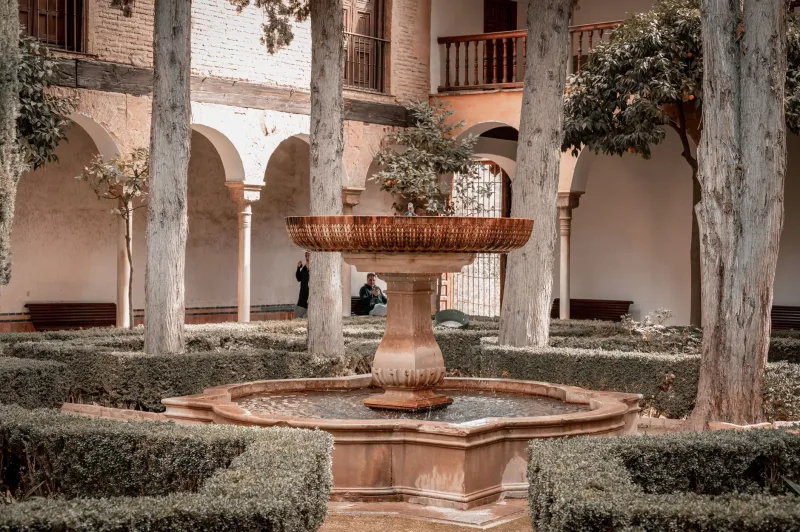
She chooses the first. The suite's tablet is already signed in. The audio begins not with a bang but with a low, roomy hum—a recording made in a Damascene courtyard, captured before the fountain was switched on. Over forty minutes, the playlist moves through three moods: a solo oud improvisation, a close-miked vocal piece, and a field recording of a shopkeeper opening his shutters. She later says it was the first time a hotel room had made her feel as if the city were speaking at a sensible volume.
That evening is not an accident. It is the product of a commissioning process that hotels in Damascus have been refining quietly.
The Makers and the Archivists
The playlists are not assembled by an international streaming service. They are commissioned. Grand Millennium Damascus works with local musicians, instrument makers, and archivists to create recordings that belong to the city. An oud maker may be consulted on tone and repertoire. An archivist may supply a digitized recording from a family collection, with permission and payment. A young composer may be asked to write a short suite for a specific room type.
The process matters because it avoids two common failures. The first is exotic wallpaper—music that treats an entire region as a single mood. The second is museum air—recordings that are historically careful but unpleasant to live with. The best hotel libraries sit between those poles. They are edited for comfort, but they are not anonymous.
At Grand Millennium Damascus, the current in-room library runs to dozens of hours, with printed notes in English and Arabic. The notes are brief, but they give the listener a foothold: who is playing, where the recording was made, and why it was chosen. Guests can ask the front desk for a listening menu at check-in, or request a specific path by name.
How to Listen After Checkout
The most common question from American guests is whether the music can leave with them. The answer varies by property and by recording. At Grand Millennium Damascus, guests can request a printed track list, buy selected recordings at the lobby boutique, or receive a private streaming link that remains active for thirty days after checkout. The link is not a download; it is a listening window. For travelers who prefer to own the files, the boutique stocks a small number of physical editions.
The practical advice is simple. Ask early. A listening menu is easiest to arrange at check-in, not at midnight. If you have a strong preference—no vocals, no field recordings, nothing too rhythmic—say so. The concierge can often adjust the sequence. And if you hear something you want to keep, ask for the track list before you leave. The staff would rather hand you a card than have you email from an airport three weeks later.
The broader point is that sound is becoming part of the city's luxury vocabulary. A room is no longer finished when the linens are pressed. It is finished when the city has been invited in, at the right volume. Damascus' hotels are learning that lesson one suite at a time.