Seven Ancient Indulgences Returning to Damascus' Finest Addresses
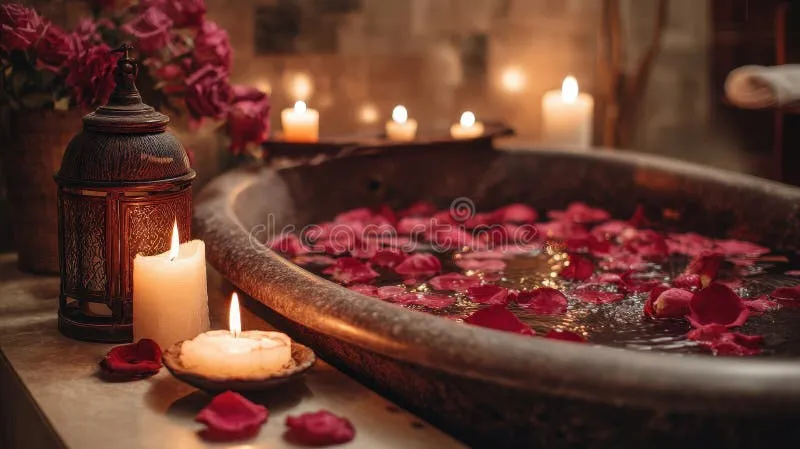
Photo: luxury hammam spa rose petals marble Middle Eastern traditional bath, via thumbs.dreamstime.com
Long before the term "wellness travel" entered the American lexicon, Damascus was perfecting it. The city that supplied Europe with silk, damask linen, and rose essence understood luxury at a level modern hoteliers are only now rediscovering. Today, the Syrian capital's finest properties are quietly reviving these traditions — and for the American traveler, they offer experiences unavailable anywhere else on earth.
Consider this a checklist for the culturally curious. Each tradition pairs a centuries-old origin with the contemporary way to experience it.
1. The Hammam, Done Properly
The Ottoman bathhouse tradition reached its artistic peak in Damascus, and the city's surviving historic hammams — some operating for four hundred years — are architectural landmarks in their own right, with domed ceilings pierced by star-shaped glass oculi.
Modern luxury properties now offer private hammam sessions: steam, black-soap exfoliation, and the traditional kessa glove treatment, followed by rest on heated stone and a glass of tamarind sherbet. Book a private session rather than the communal schedule; most hotels can arrange exclusive use in the early morning.
2. Damask Weaving, Woven Into Your Stay
The word "damask" is literally Damascus' gift to the English language. The city's brocade weavers once supplied the courts of Europe and the Ottomans alike, working silk on towering hand looms that required two artisans to operate.
Today, a handful of master weavers keep the craft alive, and top hotels have taken note — dressing suites in locally woven throws, table linens, and cushion covers. The discerning move: arrange a private visit to a working loom workshop in the Old City, then order custom pieces shipped home. A hand-woven table runner makes a far better souvenir than anything in an airport shop.
3. Rose Oil and the Damascene Spa
The Damask rose, cultivated for centuries in the hills around the city, yields an essential oil prized by perfumers from Grasse to Kyoto. Syrian spa culture has always known this; now five-star treatment rooms are formalizing it.
Look for rose-oil massages, rosewater facial rituals, and body treatments using ma'al-ward — distilled rosewater that households in Damascus have used for generations. The scent alone is worth the booking: floral, honeyed, and nothing like the synthetic rose of ordinary hotel amenities.
4. Dining Beneath the Jasmine
In old Damascus, the courtyard was the summer dining room, and jasmine — planted to climb every wall — was its perfume. The tradition of the fijla, the jasmine-crowned evening, is being revived in hotel courtyards across the city.
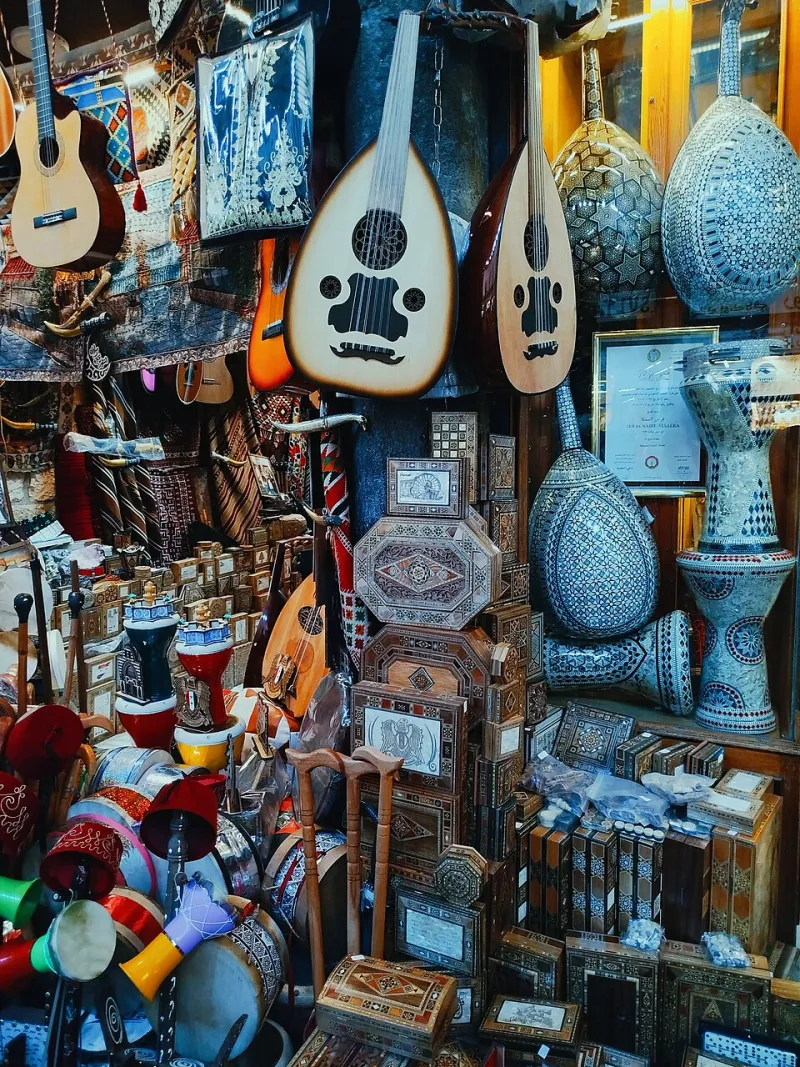
The contemporary version: multi-course Levantine dinners served under open sky, with live oud performance, meze arriving in unhurried succession, and arak poured over ice as conversation stretches late. For American visitors accustomed to the two-hour dinner reservation, this is a lesson in why meals were once the evening itself.
5. The Qahwa Ceremony
Coffee did not merely pass through Damascus; it became a ritual there. Cardamom-scented qahwa, served from long-spouted brass dallah pots into small handleless cups, was the medium of negotiation, welcome, and hospitality for centuries.
Luxury properties now stage the ritual properly: coffee brewed over hot sand, poured tableside, accompanied by candied apricots or halawat el jibn. Accept three cups if offered — tradition holds that the third carries the blessing.
6. Inlaid Craftsmanship at Close Range
Damascene metalwork — steel inlaid with silver and gold wire in intricate arabesque patterns — was so renowned that the technique took the city's name in multiple languages. It nearly vanished; a small community of artisans is ensuring it doesn't.
The luxury properties worth their salt maintain relationships with these workshops. The result for guests: private demonstrations, the chance to commission pieces, and in-suite decor that showcases the real thing rather than factory reproductions.
7. The Rooftop Dawn
The final tradition costs nothing and outlasts everything: the call to prayer at first light, heard from a rooftop as the city turns gold. Historic Damascus houses were built with satah — flat roof terraces — as much for sleeping on summer nights as for the view.
Modern hotels have restored the practice. Ask for rooftop access the night before, set an alarm, and bring the hotel's cardamom coffee up with you. It is the single most Damascus moment available, and it has been repeating daily for over a thousand years.
Building the Tradition Into Your Stay
For a five-night visit, allocate two evenings to the courtyard dinner, one morning to a private hammam, and one afternoon to a craft workshop visit. Book rose treatments early — appointment slots fill quickly in high season. And when the jasmine-scented evening ends and the oud fades, resist the urge to photograph everything. Some traditions are better experienced than documented.