The Quiet Return of Damascus: Inside America's Newest Luxury Travel Fascination
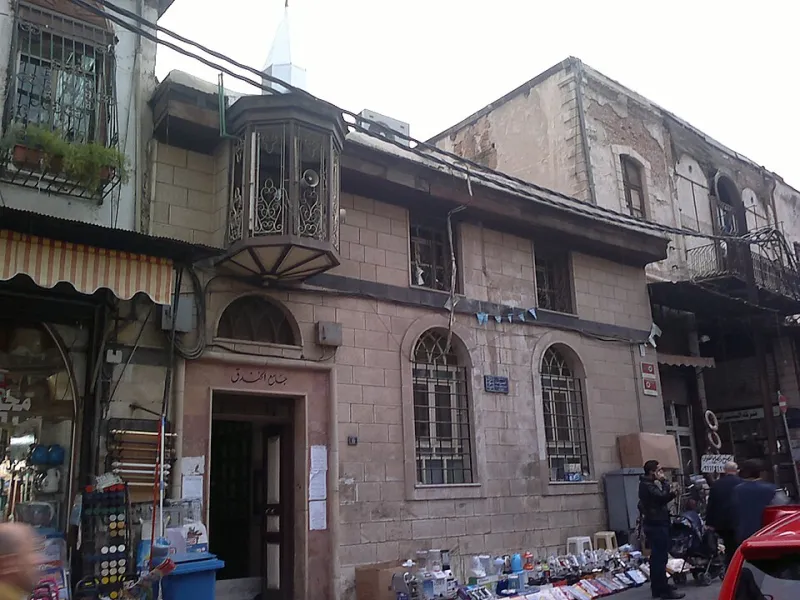
Photo: Freedom's Falcon, CC BY-SA 3.0, via Wikimedia Commons
For decades, the American luxury traveler's map of the Middle East has been drawn in familiar lines: the souks of Marrakech, the skyline of Dubai, the antiquities of Cairo. In 2025, a new line is being quietly added. Damascus — the oldest continuously inhabited capital on Earth — is surfacing on the wish lists of travelers who have, by now, seen it all.
The appeal is not spectacle. It is depth.
A City Measured in Millennia
Damascus does not dazzle the way newer capitals do. Its power lies in accumulation: some eleven thousand years of continuous settlement compressed into a city where a Roman gate still opens onto a living thoroughfare, and where the scent of jasmine drifts through alleys first walked in antiquity.
At the heart of this is the Old City, inscribed on UNESCO's World Heritage list as a treasury of Islamic, Roman, and Ottoman heritage. The Umayyad Mosque, built in the eighth century on the site of far older sanctuaries, remains one of the most architecturally significant religious structures in the world. The Street Called Straight — mentioned in the Bible and still bustling today — runs through it all as it has for two thousand years.
For American travelers accustomed to curated historic districts, Damascus offers something different: a historic center that is not a museum, but a functioning, breathing city.
The Rise of the Restored Courtyard House
Perhaps no trend captures Damascus's re-emergence better than the revival of its traditional courtyard residences. These are not new constructions styled to look old; they are genuine Ottoman-era townhouses, many centuries old, meticulously restored stone by stone.
The Damascene house is a masterpiece of private luxury by design. Behind unassuming street facades, interiors open onto central courtyards graced with fountains, citrus trees, and intricate ablaq masonry — the alternating black and white stone bands that define the city's aesthetic. Marble floors, carved cedar ceilings, and muqarnas plasterwork reward the eye at every turn.
Boutique properties across the Old City have transformed these homes into accommodations of real refinement: small, intimate, and deeply atmospheric. For the US traveler weary of interchangeable five-star sameness, the offer is compelling — a night's sleep in a living work of art.
Craftsmanship as Currency
Damascene craftsmanship carries a resonance Americans already know, even if they do not realize it. The word "damask" — the lustrous woven fabric — comes from this city. "Damascene" metalwork, inlaid with gold and silver wire, has been prized by collectors for centuries. The legendary Damascus steel blades of the medieval era remain objects of fascination in the United States, where artisan bladesmiths still attempt to replicate the technique.
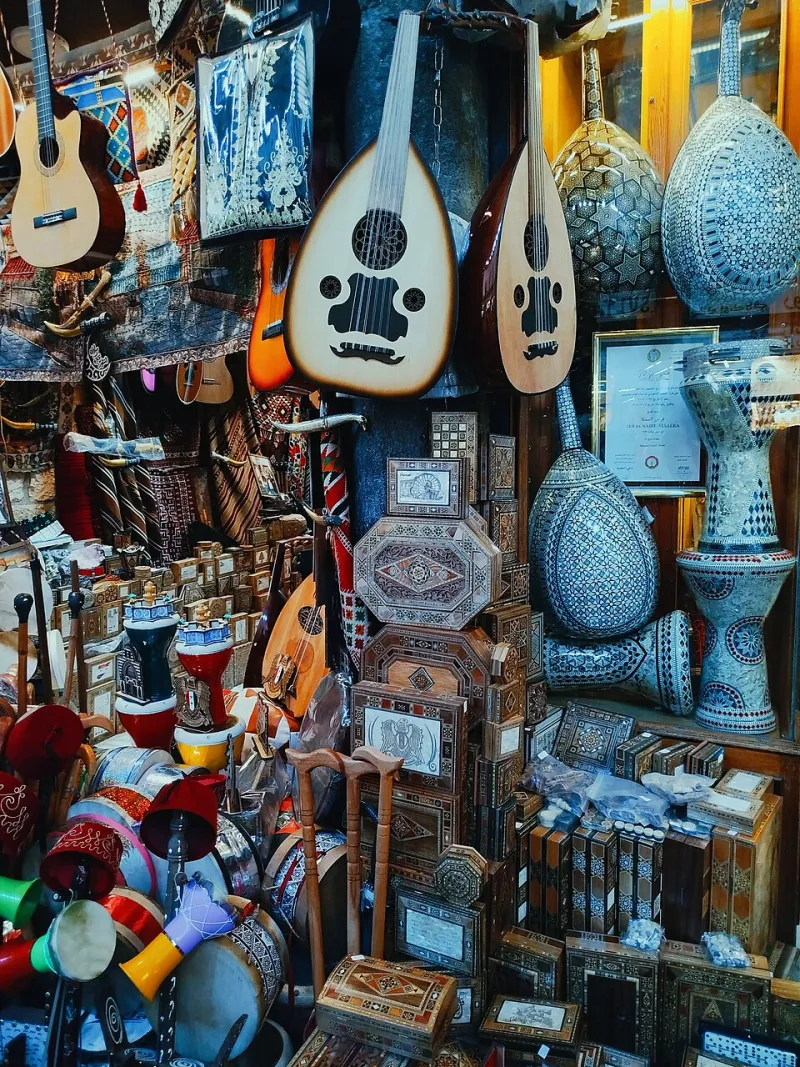
Today, visitors can watch these crafts practiced as they have been for generations: coppersmiths hammering patterns in the souks, weavers producing brocade on wooden looms, inlayers at their benches in small workshops off Al-Qaimariyya. Purchases here are not souvenirs in the disposable sense; they are heirlooms with provenance.
Practical Considerations for the US Traveler
Luxury travel to Damascus in 2025 requires planning, and American visitors should approach it with the same diligence they would apply to any long-haul journey.
Entry and logistics. US citizens must obtain a visa in advance, typically arranged through the Syrian embassy or via a licensed local tour operator, who can also provide the required guidance. Working with an established operator is strongly advised and, in practice, enhances the experience by unlocking access to guides, private transport, and priority visits.
Seasonality. Spring (March through May) and autumn (September through November) bring Damascus's most agreeable weather — mild days, cool evenings, and the city famously awash in jasmine and roses.
Money and connectivity. Travelers should carry cash, as international card networks are not reliably available, and should arrange connectivity in advance. A reputable operator will handle both.
Health and comfort. Bottled water is standard practice, and comprehensive travel insurance — including coverage applicable in Syria — is essential.
Hospitality as Heritage
What ultimately distinguishes Damascus is not its monuments but its manner. The Arabic concept of karam — generosity toward the guest — is not a marketing slogan here; it is a civic inheritance. Coffee offered before conversation concludes. A craftsman pausing his work to explain a technique to a stranger. A dinner that expands, course by course, beyond all reasonable expectation.
American travelers who have felt the widening sameness of global luxury — the same spas, the same tasting menus, the same infinity pools — are responding to something Damascus offers in abundance: authenticity that cannot be manufactured.
The city's finest tables now present Syrian cuisine at an elevated register — kibbeh, fattoush, muhammara, and the jewel-like pastries of the Ottoman confectionery tradition — alongside rooftop dining rooms where the call to prayer settles over the Old City at dusk.
A Place at the Beginning of the Story
There is a particular thrill in standing where history began — in a city older than Rome, older than Athens, older than any capital on the map. For a growing cohort of American luxury travelers, that thrill has become irresistible.
Damascus in 2025 is not a destination for everyone. It is a destination for the traveler who values rarity, depth, and the quiet luxury of a place that has nothing left to prove. As the city's restored courtyards open their doors once more, those doors are being noticed.
The oldest city on Earth is, in the most elegant sense, new again.