Behind Carved Doors: Where Damascus' Most Extravagant Suites Hide in Plain Sight
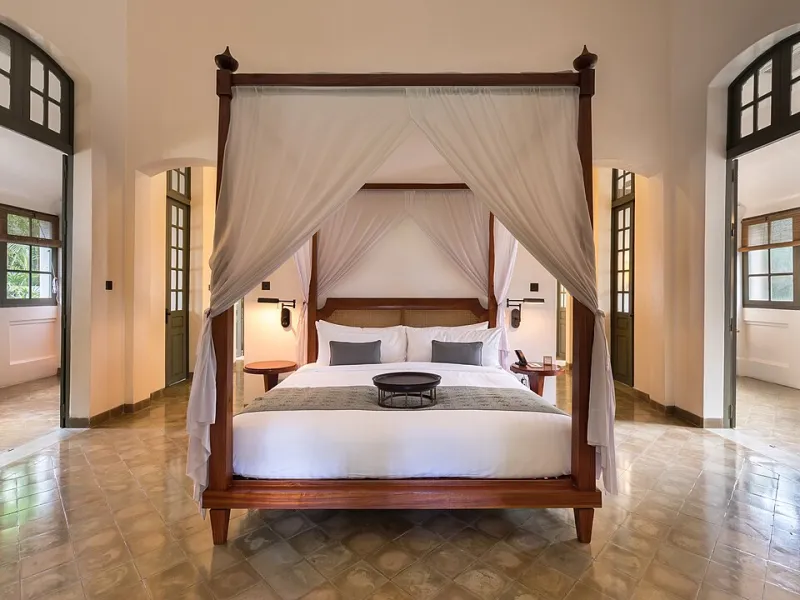
Photo: Basile Morin, CC BY-SA 4.0, via Wikimedia Commons
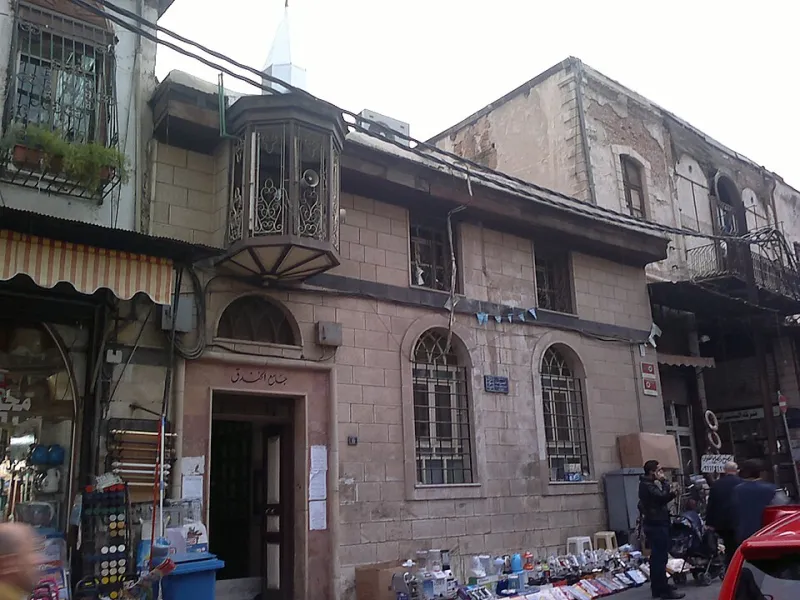
Damascus has a way of concealing its treasures. The city's most extraordinary accommodations rarely announce themselves with marquee signage or revolving doors. Instead, they sit behind unassuming doorways in the Old City, or rise quietly above the modern boulevards of the commercial district, waiting for the traveler who knows where to look.
For American visitors — a growing cohort as direct interest in Syria's cultural capital rebounds — understanding where to stay is less about star ratings and more about architecture, provenance, and view. What follows is not an itinerary but a guided tour through the categories of lavish addresses that define high-end Damascus today.
The Courtyard Residence: History as Your Floor Plan
The signature luxury experience of Damascus remains the restored courtyard house, or bayt, many of which date to the Mamluk and Ottoman eras. These are not hotels in the conventional American sense; they are private residences, often with fewer than a dozen rooms, arranged around a central fountain courtyard shaded by lemon and bitter orange trees.
The finest examples feature ablaq masonry — the alternating black-and-white stone banding that Damascene craftsmen perfected centuries before it appeared anywhere else in the Islamic world. Interiors showcase ajami work: raised, gilded wood-panel decoration that once adorned the homes of Damascus merchant aristocracy. Expect ceiling frescoes, recessed alcoves fitted with daybeds, and a level of hand-carved detail that no contemporary build can replicate.
Service in these properties tends toward the intimate. A single house manager typically oversees arrangements, from private Old City walking tours at dawn to arranging a calligrapher's demonstration in the courtyard after dark.
The Skyline Suite: Damascus From Above
For travelers who prefer their luxury with air conditioning warranties and concierge desks, the newer towers along the city's main arteries offer a different proposition. Upper-floor suites here frame the city in panoramic glass: the minarets of the Umayyad Mosque to the north, the green sweep of the Ghouta orchards beyond.
The best of these suites borrow design language from the past while delivering thoroughly modern comfort — marble bathrooms with soaking tubs positioned toward the window, separate salons for private meetings, and butler service trained to international five-star standards. Evening turndown often includes Damascene sweets, ma'amoul filled with dates and dusted with powdered sugar, alongside the usual chocolates.
The Boutique Conversion: A Middle Path
Between the courtyard house and the high-rise suite sits a third category that American travelers increasingly favor: the boutique conversion. These are smaller historic structures — a former caravanserai, a merchant's annex, an aristocrat's qa'a reception hall — reimagined as compact luxury hotels of fifteen to thirty keys.
What distinguishes the excellent ones is restraint. Rather than over-restoring, the best operators preserve original floor levels, hand-hewn ceiling beams, and the slight irregularities that signal genuine age. Rooms may feature modern platform beds and rainfall showers, but the walls are lime plaster, and the windows open onto alleys that have carried foot traffic since Roman times.
What Justifies the Splurge
Pricing at Damascus' top addresses remains favorable by global luxury standards; a courtyard suite that would command four figures in Florence or Marrakech often books for considerably less. But the value proposition extends beyond rate.
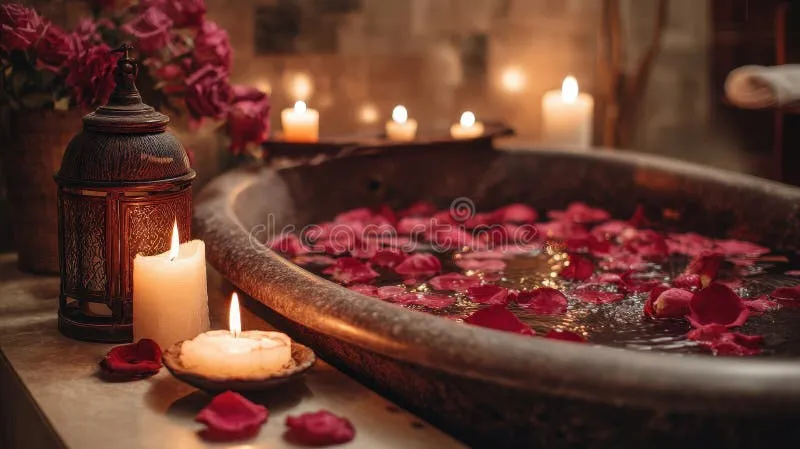
Consider what is included at the upper tier: private airport transfers in late-model sedans, in-residence dining prepared by chefs who trained in Levantine palace kitchens, and access to experiences — after-hours visits to historic houses, private hammam sessions, curated antiquities viewings — that are simply unavailable to the walk-in traveler.
Booking Notes for the American Traveler
Given the evolving situation, most high-end properties require advance arrangement rather than walk-in booking, and many operate best through direct email correspondence or specialist travel designers familiar with Syria. American passport holders should confirm current visa and entry protocols well ahead of travel, and reputable properties will assist with the logistics of registration requirements.
Cash remains important; international card acceptance is inconsistent, even at the top tier. Confirm payment terms in writing before arrival.
The Case for Staying In
Perhaps the strongest argument for Damascus' grandest rooms is that they are destinations in themselves. A courtyard suite at dusk — fountains running, jasmine scenting the air, dinner served beneath a ceiling painted in the 1700s — competes with any evening the city can offer. In a city where the past is the principal attraction, the savviest travelers book rooms that come with it built in.