Linen, Leather, and Layers: What to Wear When the Lobby and the Souq Share a Day
Photo: travel clothing flat lay with linen shirt, scarf, leather shoes, Middle Eastern city packing, via sierrainthecity.com
Why Damascus Resists a Single Dress Code
Damascus is not a city where one outfit can carry you from breakfast to midnight without comment. That is not a warning; it is a design feature. A grand hotel lobby, a rooftop bar, and a seventh-century souq can share the same afternoon, and each has its own quiet expectations. The good news is that the solution is not a separate wardrobe. It is a formula: light layers, good shoes, and one piece that can be dressed up or down.
The tone here is practical, not prescriptive. Damascus is a formal city in many settings, but it is also a real one. You will see suits, scarves, sneakers, and work clothes in the same block. The goal is not to look like a local. The goal is to look as if you have thought about where you are going.
The Three-Formula Wardrobe
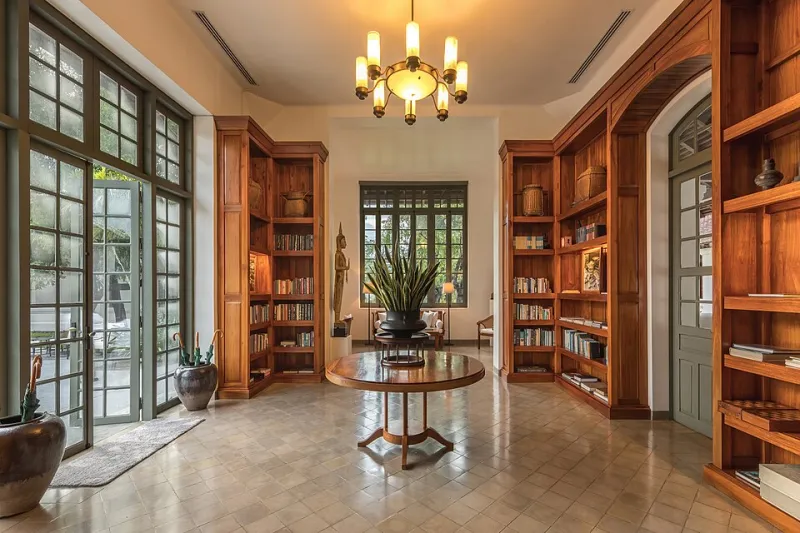
First, the lobby and breakfast formula. Think smart casual with a little structure. For men, a collared shirt, lightweight trousers, and closed-toe shoes. For women, a blouse or fine knit, tailored trousers or a midi skirt, and a light scarf in the bag. Avoid athletic wear in the lobby, even if you are heading out for a walk. The hotel is not a gym, and the dining room is not a beach.
Second, the rooftop evening formula. This is where you can add polish. A jacket for men, a dress or a silk blouse for women, and a shoe that can handle stairs. Damascus rooftops are often beautiful and slightly uneven. Leave the stilettos for a hotel with a flat terrace. A low heel or a clean flat is more useful than a fragile statement.
Third, the old-city souq formula. This is the most practical formula, and the one most likely to be underestimated. Wear something you can walk in for three hours. Cover shoulders and knees, for comfort and respect. Bring a scarf that can go over your head if you enter a mosque, and wear shoes that can handle cobblestones and dust. A crossbody bag is better than a handbag. A light jacket is better than a heavy coat.
What Not to Wear, and What to Do Instead
The most common faux pas is not a moral failure; it is a timing error. Beachwear in the lobby, gym clothes in the souq, or a formal gown at breakfast all send the same message: the schedule was not consulted. Damascus is tolerant, but its grand hotels are formal, and its old city is a working neighborhood. Dress for the day you are actually having.
Instead of shorts in the souq, wear loose linen trousers. Instead of a sleeveless top in a religious site, carry a light scarf or a thin overshirt. Instead of heavy perfume in a crowded lane, choose something subtle. Instead of new shoes on a walking day, choose broken-in leather or a supportive sneaker. The city will not judge you for comfort. It will notice if you are clattering through a quiet courtyard.
One more note for American travelers: do not treat modesty as a costume. A scarf is useful. A full borrowed outfit is not necessary. The point is respect, not performance.
Last-Minute Fixes Near Grand Millennium Damascus
Even a well-packed bag can fail. A hem splits, a shoe rubs, a dinner reservation appears out of nowhere. The area around Grand Millennium Damascus is well supplied for small emergencies. The hotel's housekeeping and concierge desks can arrange pressing and simple alterations; ask at check-in rather than at the last minute. For more serious fixes, the tailor shops in the covered lanes near Souq al-Hamidiyah can usually handle a hem or a button while you wait. Bring the garment and be clear about the time you need it.
For a quick wardrobe upgrade, the boutique lanes near the hotel are better than a mall. Look for a lightweight scarf, a cotton shirt, or a leather belt. These are the pieces that make a travel outfit look intentional. If you need a jacket for a rooftop dinner, buy one that fits the shoulders; a tailor can adjust the rest.
A Packing List for the Divided Day
Pack one smart outfit for the hotel, one practical outfit for the old city, and one layer for the evening. Add a scarf, comfortable shoes, and a small bag that closes securely. Leave room for a purchase. Damascus is a city of small, useful beautiful things, and a scarf bought on the second day may become the most useful item in your suitcase.
The dress code beyond the door is not a rulebook. It is a way of moving through a city that switches registers several times a day. Dress for the lobby, the rooftop, and the souq in turn, and you will find that one afternoon can hold all three without a change of clothes—or a change of confidence.