Before You Undress: An American's Field Guide to Damascus' Ancient Bathhouse Etiquette
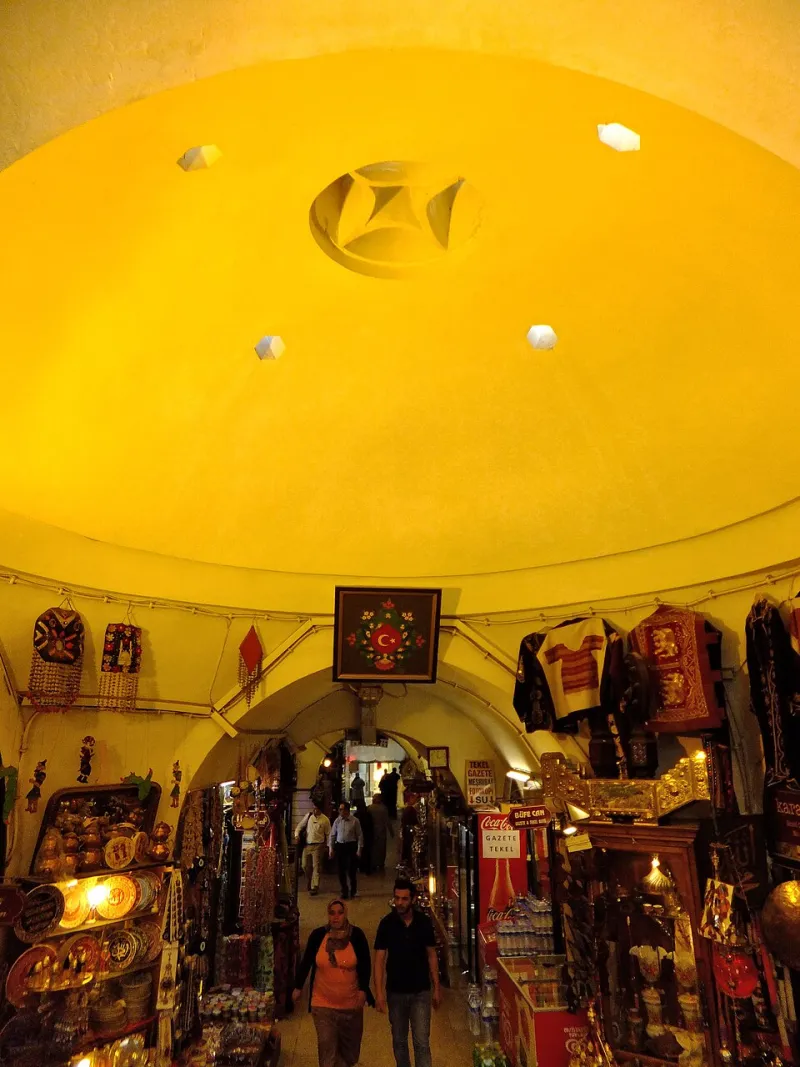
Photo: R Prazeres, CC BY-SA 4.0, via Wikimedia Commons
There is a moment, familiar to nearly every American traveler who has stepped inside a Damascene hammam, when the heavy door closes behind you and the twenty-first century simply falls away. The marble beneath your feet was worn smooth by feet that predate the Mayflower by several centuries. The steam curling toward the pierced dome overhead has risen in this same chamber since the Mamluk era. And you — robe-clad, slightly uncertain, guidebook memorized at the airport — are about to participate in a ritual that has outlasted empires.
Relax. The Damascenes have been welcoming the uninitiated for a millennium. What follows is everything a first-time visitor from the United States needs to know before that door closes.
A Bath Older Than the Nation
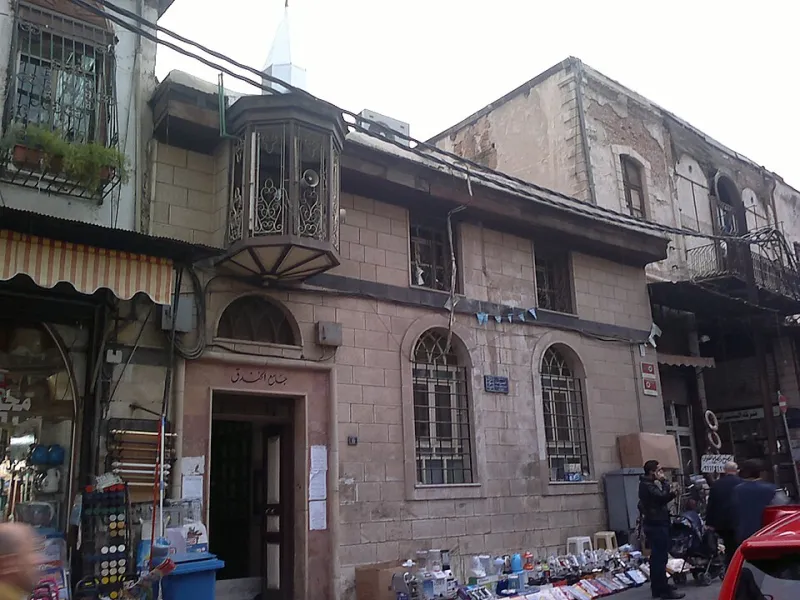
Damascus claims some of the oldest continuously operating bathhouses in the world. Hammam Nur al-Din, built in 1172, still steams. Baitdina and the bathhouses tucked into the lanes of the Old City follow floor plans recognizable to any traveler from Fez or Istanbul, yet the Syrian capital's version carries its own unhurried character — less theatrical than Istanbul's tourist-heavy establishments, more familial, more domestic in the best sense.
For American visitors accustomed to spa culture — the Korean bathhouses of Los Angeles, the Nordic-inspired spas of Colorado, even a hotel sauna in Manhattan — the hammam will feel both foreign and strangely familiar. The core sequence is universal: warmth, steam, scrub, rinse, rest. What differs is the choreography, and the fact that here, the choreography has been refined over thirty generations.
The Unspoken Rules, Spoken Plainly
The etiquette is simpler than most visitors fear.
Bring or borrow the basics. Every reputable hammam — and every five-star property in Damascus offering its own bathhouse facilities — provides a peshtemal-style wrap (the fouta), slippers, and a modesty cloth. Nudity norms vary: in the women's hours, bathers often go unclothed; in mixed or men's sessions, the wrap stays on. When in doubt, follow the person beside you.
Understand the schedule. Most historic hammams alternate days or hours between men and women. Confirm your session in advance; your hotel concierge can arrange a private or semi-private slot, which many American travelers now prefer.
The tellak is not optional. The attendant — tellak in the men's halls, nai'ma in the women's — performs the exfoliating scrub on a heated marble slab called the goebektashi, or simply the stone. Yes, a stranger will scrub you with a coarse mitt. Yes, this is the entire point. The layer of dead skin that emerges (the famous ghassoul roll) is equal parts alarming and gratifying. Tipping the attendant is customary; twenty to fifty percent of the session fee, in Syrian pounds or by arrangement through your hotel, is a respectful gesture.
Pace yourself. Americans tend to schedule the hammam like a haircut — forty-five minutes, next appointment at two. Locals treat it as an afternoon. The final act, reclining in the cool relaxation room with mint tea and dried apricots while your skin settles, is not a bonus feature. It is the destination.
From the Old City to the Fifth Floor
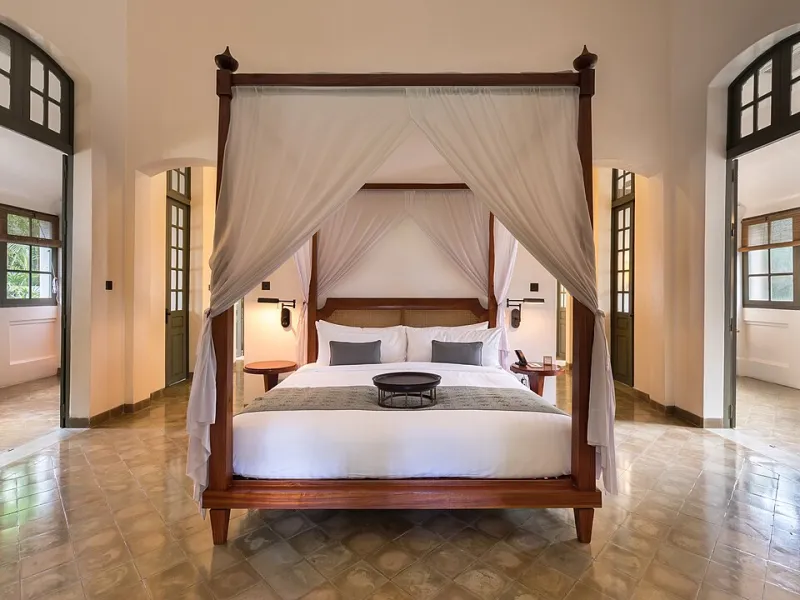
The most significant development for luxury travelers is the migration of the hammam into Damascus' premier hotels. Several of the city's finest addresses now maintain in-house bathhouses built with salvaged antique marble and staffed by attendants trained in the historic houses — offering the full ritual with the privacy, hygiene standards, and service expectations that American guests rightly anticipate.
The distinction matters. In the public Old City hammams, you receive authenticity and atmosphere; in a hotel bathhouse, you receive authenticity plus a robe that has been pressed. Many travelers now do both: one communal session for the story, one hotel session for the recovery from the flight.
What Not to Fear
Let us retire a few anxieties. No one is judging your body; the steam room is history's great equalizer. The scrub is vigorous, not painful — communicate your comfort level and the tellak will adjust. The facilities are scrupulously maintained; the hammam's obsession with cleanliness predates American germ theory by nine hundred years. And no, you are not expected to speak Arabic beyond shukran — though it goes a long way.
Booking the Ritual
As Damascus reenters the luxury travel map, a growing number of American visitors — particularly those arriving via Beirut with a stopover in the capital — are building entire rest days around the bathhouse. Pair a morning hammam session with lunch on a courtyard terrace in the Old City, and you have arguably the most restorative itinerary item in the Levant.
A thousand years of practice tends to produce expertise. All you have to do is show up, wrap up, and let the steam do what it has always done.