Threads of Old Damascus: The Artisan Families Furnishing a New Golden Age of Hospitality
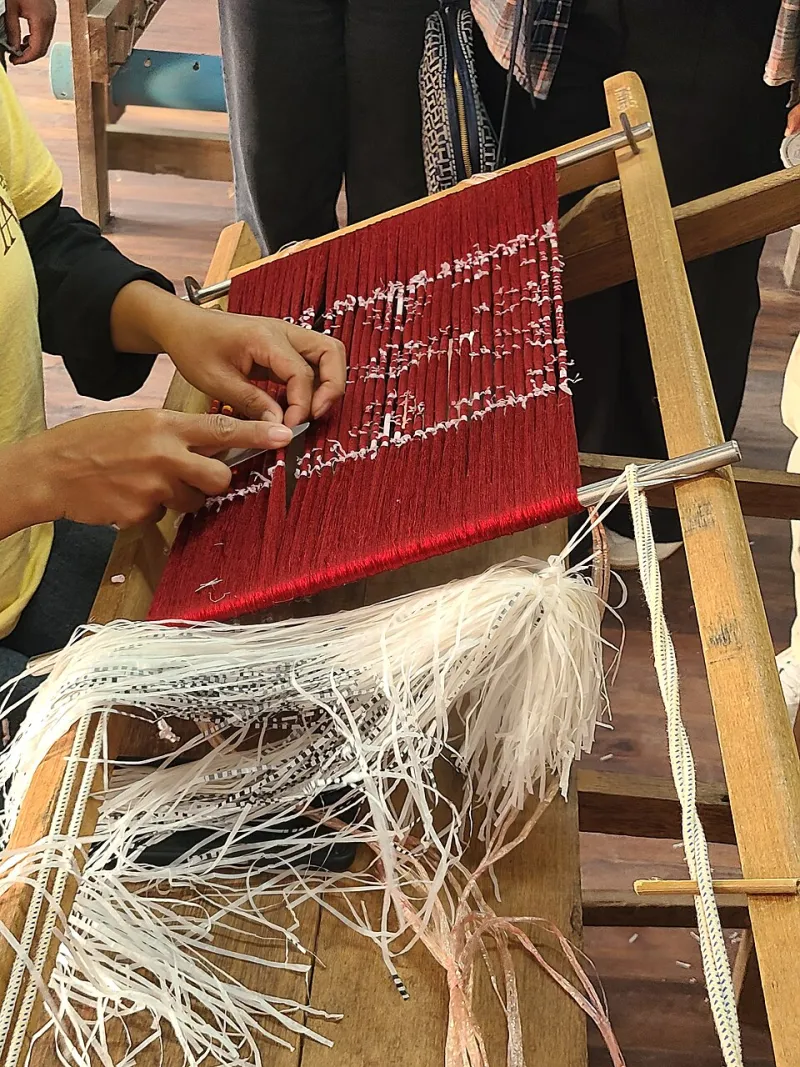
Photo: IM7100, CC BY 4.0, via Wikimedia Commons
Walk into the lobby of any of Damascus' forthcoming flagship hotels and you may notice that nothing looks mass-produced. That is because very little of it is. The brocade draping the reception alcoves was woven on wooden looms in Al-Hamidiyah Souq. The mother-of-pearl inlay tracing geometric stars across the headboards took a craftsman weeks per panel. The brass lamp casting arabesque shadows across the ceiling was hammered by hand, its patterns decided by eye and inheritance rather than a design file.
This is the emerging story of Damascene hospitality: a city rebuilding its luxury sector not by importing furniture, but by commissioning the very workshops that made the city famous in the first place. For American travelers, it signals a new kind of itinerary — one where the room itself is a museum piece, and the concierge can arrange a visit to the family who made it.
One Family, Seven Generations, One Loom
Consider the trajectory of a single household. In a narrow workshop off Al-Hamidiyah, steps from the Umayyad Mosque, a family of brocade weavers has produced silk for roughly two centuries. Their cloth once dressed Ottoman dignitaries; their looms survived fires, closures, and the lean years when tourists vanished and orders thinned.
Today, the same family fills hotel commissions. For one prominent Damascus property, they wove several kilometers of drapery and upholstery fabric in traditional damask patterns — the motif that gave the English language the word damask itself. Each meter passes through a loom operated by foot and hand, at a pace that would horrify a factory foreman and delights a hotelier in search of story.
'We are not making fabric,' the family's patriarch told visitors recently, gesturing at the slow shuttle. 'We are making the reason someone books the room twice.'
The Three Crafts Defining the New Suites
Three traditions dominate the interiors now taking shape across the city's premier addresses:
Damascene metalwork. The centuries-old technique of inlaying gold and silver wire into darkened steel — koftgari by its regional cousins — appears on everything from suite door hardware to decorative trays. No two pieces are identical, which is precisely the point.
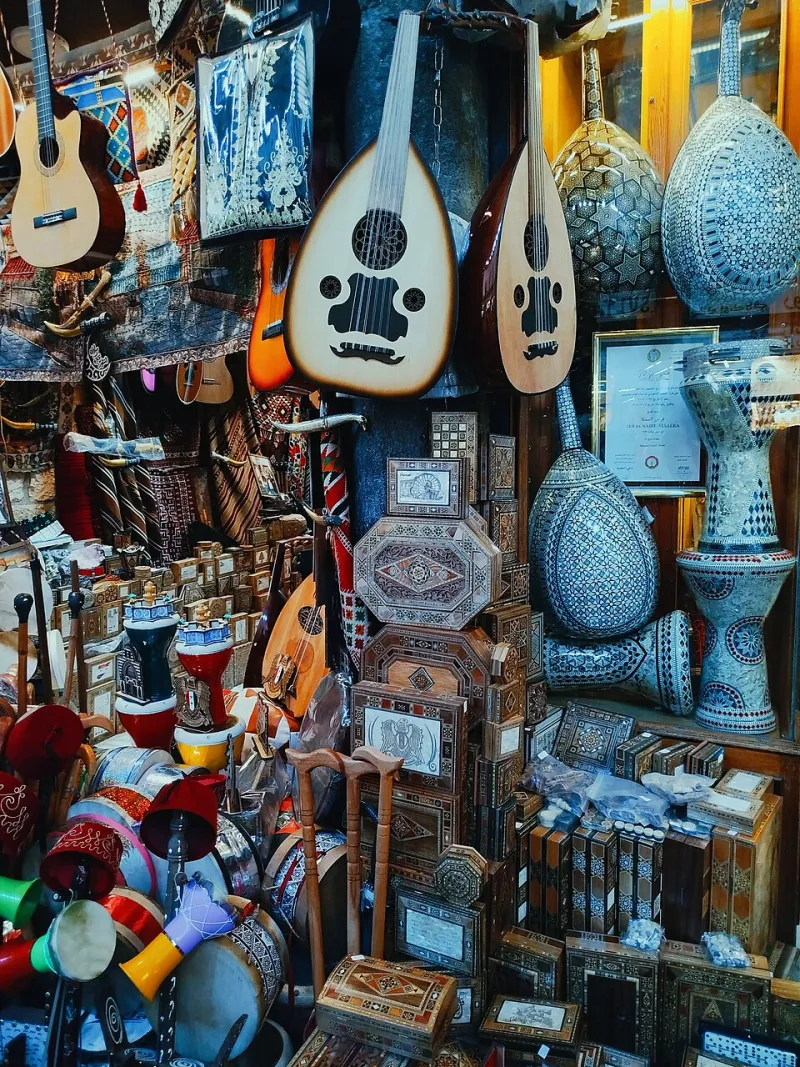
Mother-of-pearl marquetry. Damascus' carpenters have inlaid walnut and olive wood with shimmering shell fragments since at least the sixteenth century. In the new suites, the craft shows up as headboards, side tables, and mashrabiya screens that filter light into lace.
Aubusson-adjacent brocade. The woven silk of the souq, with its symmetrical cypress and carnation motifs, now dresses windows in rooms aimed squarely at travelers from New York and Los Angeles — guests who have seen everything and are newly impressed by the handmade.
Provenance Luxury: The Trend Reshaping the Itinerary
American luxury travel has been drifting in this direction for years. The same guests who seek out single-origin coffee and estate-grown wine increasingly want single-origin rooms — interiors with a traceable human story. Industry observers have taken to calling it provenance luxury, and Damascus may be its most compelling new stage.
The practical implication for travelers is an itinerary upgrade. Leading properties in the city now offer what might be called craft circuits: a morning in the brocade workshop watching a loom work, lunch in the Old City, an afternoon with an inlayer in his studio, and a return to a suite whose headboard that same artisan finished the month before. Few travel experiences anywhere in the world close the loop so completely.
What to Seek Out
For the traveler planning a Damascus stay with this lens in mind, a few pointers:
- Ask the concierge which workshops supplied your floor. Reputable properties are proud of their artisan partners and can arrange introductions.
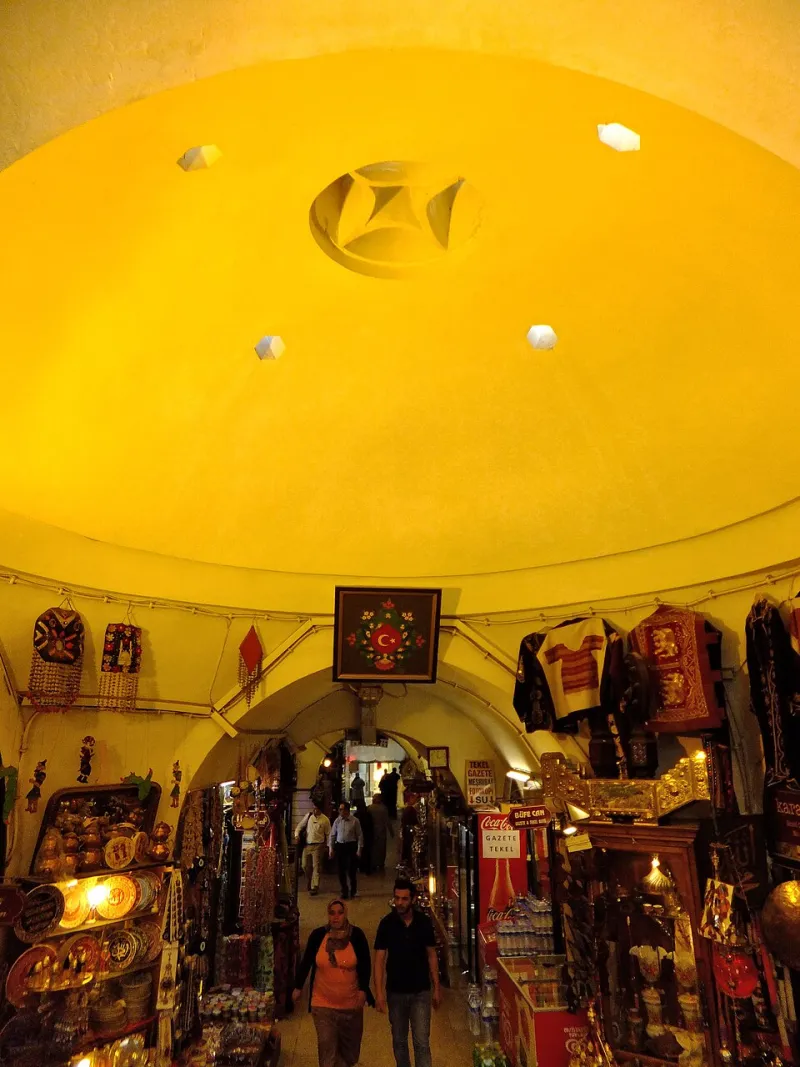
- Visit Al-Hamidiyah Souq with intent. The shops nearest the mosque trade in souvenirs; the deeper lanes hold the workshops. A guide transforms the visit.
- Buy small, buy direct. A hand-inlaid box or a length of brocade purchased from the maker carries more weight — literal and emotional — than any airport acquisition.
- Book a craft-focused itinerary. Several Damascus hotels now package artisan studio visits with accommodation, the fastest-growing request among American bookings.
The Suite as Souvenir
There is an old Damascene saying that the city is a museum with no roof. Increasingly, the museum has checked in upstairs. When you draw back handwoven curtains onto a courtyard where caravans once rested, you are not merely staying in luxury — you are underwriting its next generation.
And when you return home, telling friends about the weaver whose loom made your drapes, you will understand why provenance has become the rarest amenity of all.