When the City Exhales: Damascus After Dark, Arranged by Those Who Hold the Keys
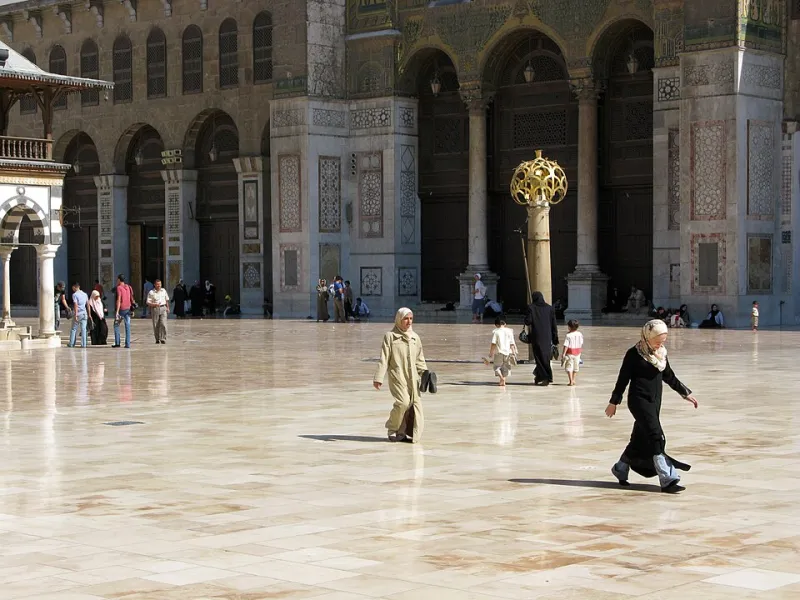
Photo: Vyacheslav Argenberg, CC BY 4.0, via Wikimedia Commons
There is a moment, somewhere around nine o'clock in the evening, when Damascus changes its breathing. The tour coaches rumble back toward the highway. The souvenir stalls roll down their shutters. And the city that thousands of visitors saw during the day quietly hands itself back to the people who actually live here.
For the American luxury traveler, this is the Damascus worth flying eleven hours for. But it is not a Damascus you can book online. It is a Damascus that must be arranged — by name, by relationship, by key.
The Man With the Ring of Unusual Keys
Every serious hotel in this city has a concierge desk, and every concierge desk has a portfolio of dinner reservations and driver contacts. What distinguishes the finest addresses — ours included — is something else entirely: a small circle of long-standing relationships with the caretakers, gatekeepers, and family elders who control access to the city's most storied spaces after dark.
Call them night porters in the old sense of the word. They are the men and women who have held the same keys for decades — to courtyard gates, to chapel doors, to the back entrances of confectionery kitchens that have been frying kanafeh since before the automobile reached Syria. A hotel concierge who has spent twenty years earning their trust can, with a phone call and a nod, arrange what no guidebook and no app can: the city, privately, at midnight.
The Mosque at Midnight
The Umayyad Mosque receives tens of thousands of visitors on an ordinary day. Its marble courtyard, washed in floodlight and foot traffic, is magnificent — and relentlessly public.
Now imagine it empty. The great minarets outlined against a black sky. The mosaics of the porticoes, gilded landscapes from the eighth century, visible without a single raised phone between you and them. The only sound the splash of the fountain and the low murmur of a caretaker explaining which door the Crusaders never managed to breach.
These private viewings are arranged occasionally, respectfully, and only through the proper custodians — never by request alone, and never guaranteed. The concierge's role is to ask on your behalf, to vouch for you as a guest of standing, and to ensure you arrive appropriately dressed and appropriately humbled. Modest attire is non-negotiable; shoes come off at the threshold; and the visit is conducted in near silence, because the building is not a museum to its caretakers. It is a living house of worship that has agreed, for one hour, to host a stranger.
Travelers accustomed to after-hours access at the Louvre or the Sistine Chapel will recognize the etiquette. The difference is that here, the favor is personal, not institutional. A generous contribution to the mosque's maintenance fund, arranged discreetly through the concierge, is both customary and genuinely appreciated.
Dessert at the Hour When Nobody Watches
Bab Touma, the Christian quarter inside the old city walls, keeps its own schedule. Its courtyard houses — many of them two, three, four centuries old — hide behind unmarked wooden doors, and behind those doors, families have long observed a tradition of late gatherings: strong coffee, cardamom-scented sweets, and conversation that stretches past midnight.
A handful of these households, with roots in the quarter going back generations, now welcome small groups of hotel guests on selected evenings. The format is disarmingly simple. You sit in a courtyard under a lemon tree older than the American republic. Plates arrive — qatayef folded around walnuts, halawet el jibn still warm, baklava glistening with clarified butter from a recipe nobody writes down. The grandmother of the house presides. Someone translates. And at some point in the evening, without ceremony, you stop being a tourist and become a guest.
These evenings exist because a concierge asked, years ago, whether a friend's family might consider hosting. They continue because the guests who attend behave like guests — they arrive on time, they compliment the cook, they ask about the children's photographs on the wall, and they send a note afterward. Access to Damascus after dark is not purchased. It is renewed, visit by visit, like any friendship.
How to Ask for What Cannot Be Advertised
For American travelers accustomed to booking experiences through a hotel app, the nocturnal Damascus operates on different mechanics. A few practical principles:
Request before you arrive. A concierge can begin laying groundwork — a call to a caretaker, a word with a family — weeks in advance. Same-night requests are occasionally possible but rarely rewarded.
Let the hotel vouch for you. These arrangements depend on the intermediary's reputation. Book the experience through your hotel rather than a street-level operator, both for access and for accountability.
Dress and behave for the venue, not the itinerary. Covered shoulders and knees for the mosque; comfortable shoes and an open appetite for the courtyard.
Bring cash in small denominations for contributions and gratuities, and let your concierge advise on appropriate amounts. Generosity here is a language; fluency matters.
Accept that plans may shift. A caretaker may be ill; a family may have a wedding. Flexibility is not a concession in Damascus — it is the price of admission to a city that operates on relationships rather than schedules.
The Hour That Justifies the Journey
There is a particular kind of memory that only after-hours travel produces: the sense of having been trusted with something. Standing alone in the Umayyad courtyard at midnight, or balancing a plate of warm qatayef in a courtyard where four generations of one family have hosted travelers, the visitor understands something the daytime city cannot teach — that Damascus' greatest luxury was never marble or gold leaf. It was the key, and the hand that offers it.
Our concierge team maintains these relationships the way a vintner maintains old vines: patiently, season after season. Travelers who arrive with curiosity, decorum, and a genuine respect for the city's living traditions will find that Damascus, after the buses leave, opens more doors than it did all day.